
When purchasing Peruvian export grapes, it is important to define what the fruit you will receive should be like and how the order will be evaluated. Variety, size, condition, and presentation are good starting points for a clear conversation between buyer and supplier.
Before requesting a quotation, consider what your customer is looking for: a specific variety, seedless or seeded grapes, a particular color, or a specific sales format. This will allow you to evaluate each offer according to the needs of your market.
Define the Variety and Commercial Presentation
CBI identifies the presence of seeds, color, flavor, and storage capacity among the criteria that influence variety selection. It also recommends agreeing on the packaging with the buyer. Preferences vary depending on the sales channel and destination.
Turn those preferences into a specific request. Instead of simply asking for “export grapes,” indicate the desired variety, berry size, and format. A berry is each individual fruit that makes up a bunch; use this term when you need to distinguish fruit size from the weight of the entire bunch.
If you are not yet sure which presentation is best, explain how you plan to sell the fruit. You can request different options and compare them based on display space, expected selling price, and how your customers purchase the product. Ask the supplier to confirm which alternatives are available for your order.
Review Condition as Well as Appearance
UC Davis includes firmness and the absence of decay, cracking, dehydration, and stem browning among grape quality indicators. A lot inspection should consider these aspects alongside the agreed specifications.
Flavor also requires attention. Brix degrees are used as a measure of soluble solids associated with sweetness, but the evaluation should take the variety and its balance with acidity into account. Ask about the criteria used to assess maturityrather than assuming that a single value describes overall quality.
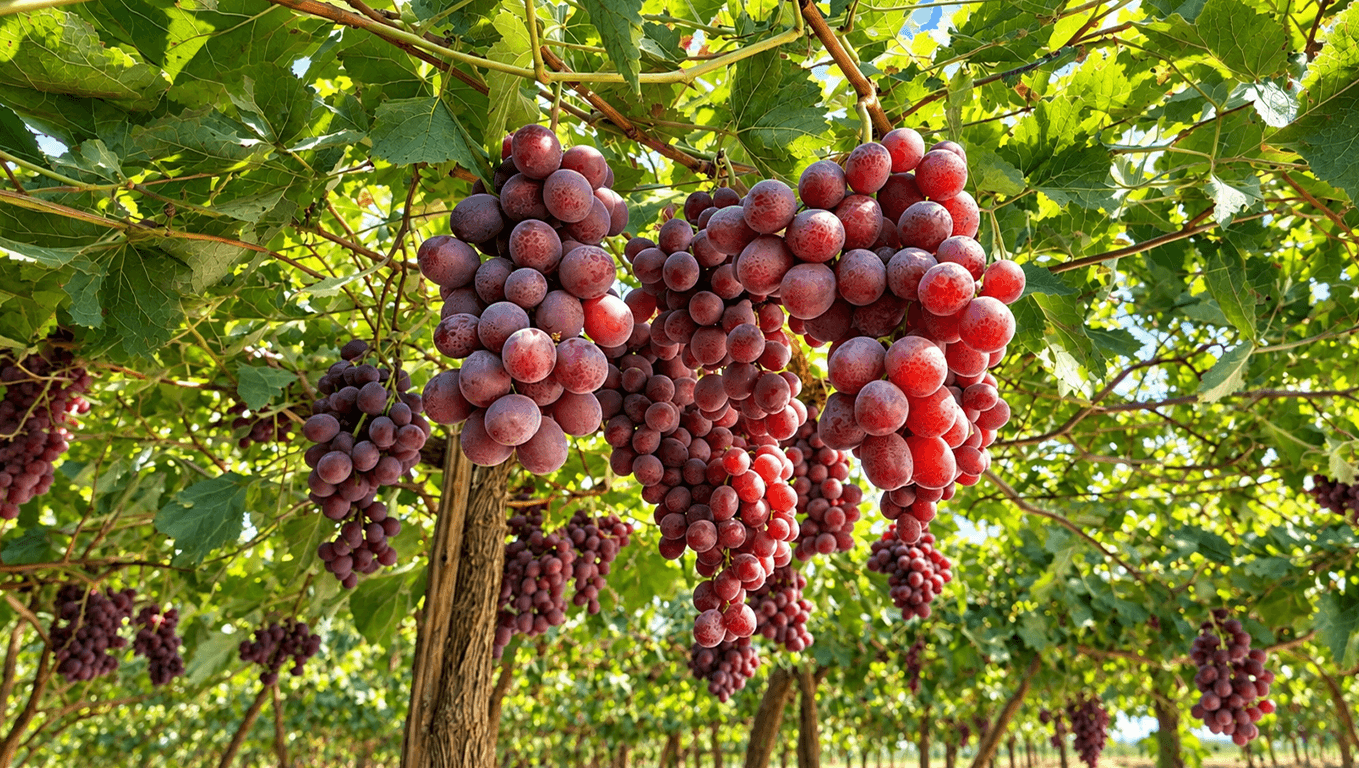
Request recent photographs of the lot and, when applicable, an inspection report. It is useful for the material to show complete bunches, details of the individual berries, and the final presentation. Agree on what information you will receive before dispatch and how the product shown will be identified.
Prepare for the Order Inspection Upon Arrival
Assign responsibility for inspecting the shipment upon arrival and determine what information will be recorded. A simple inspection sheet can include lot identification, quantity received, packaging condition, and product observations. If you identify a discrepancy, document the findings and communicate them through the procedure agreed upon with the supplier.
Keep the same specifications from the initial inquiry through final delivery. For example, if the presentation changes during negotiations, update the order so that both the warehouse and purchasing teams are working with the same information.
Frequently Asked Questions
Can a photograph be used to assess the entire quality of the grapes?
It can help assess appearance, but it should be complemented by lot information and the agreed quality controls.
Are all grapes available in every presentation?
Available options depend on the variety, season, and supplier. Confirm the format before approving the purchase.
Find a Grape Option for Your Market
Contact us and share your country, variety of interest, volume, and desired presentation. We invite you to inquire about the Peruvian grape options available for your next purchase.